Showing posts with label Disease Biology. Show all posts

Friday, October 19, 2012

Nitric Oxide and Immune responses: part 1


Curator/Reporter Aviral Vatsa PhD, MBBS

Based on: A review by Wink et al., 2011
This is the first part of a two part post

Nitric oxide (NO), reactive nitrogen species (RNS) and reactive oxygen species (ROS) perform dual roles as immunotoxins and immunomodulators. An incoming immune signal initiates NO and ROS production both for tackling the pathogens and modulating the downstream immune response via complex signaling pathways. The complexity of these interactions is a reflection of involvement of redox chemistry in biological setting (fig. 1)

Fig 1. Image credit: (Wink et al., 2011)

Previous studies have highlighted the role of NO in immunity. It was shown that macrophages released a substance that had antitumor and antipathogen activity and required arginine for its production (Hibbs et al., 1987, 1988). Hibbs and coworkers further strengthened the connection between immunity and NO by demonstrating that IL2 mediated immune activation increased NO levels in patients and promoted tumor eradication in mice (Hibbs et al., 1992; Yim et al., 1995).

In 1980s a number of authors showed the direct evidence that macrophages made nitrite, nitrates and nitrosamines. It was also shown that NO generated by macrophages could kill leukemia cells (Stuehr and Nathan, 1989). Collectively these studies along with others demonstrated the important role NO plays in immunity and lay the path for further research in understanding the role of redox molecules in immunity.

NO is produced by different forms of nitric oxide synthase (NOS) enzymes such as eNOS (endothelial), iNOS (inducible) and nNOS (neuronal). The constitutive forms of eNOS generally produce NO in short bursts and in calcium dependent manner. The inducible form produces NO for longer durations and is calcium independent. In immunity, iNOS plays a vital role. NO production by iNOS can occur over a wide range of concentrations from as little as nM to as much as µM. This wide range of NO concentrations provide iNOS with a unique flexibility to be functionally effective in various conditions and micro-environements and thus provide different temporal and concentration profiles of NO, that can be highly efficient in dealing with immune challenges.

Redox reactions in immune responses
NO/RNS and ROS are two categories of molecules that bring about immune regulation and 'killing' of pathogens. These molecules can perform independently or in combination with each other. NO reacts directly with transition metals in heme or cobalamine, with non-heme iron, or with reactive radicals (Wink and Mitchell, 1998). The last reactivity also imparts it a powerful antioxidant capability. NO can thus act directly as a powerful antioxidant and prevent injury initiated by ROS (Wink et al., 1999). On the other hand, NO does not react directly with thiols or other nucleophiles but requires activation with superoxide to generate RNS. The RNS species then cause nitrosative and oxidative stress (Wink and Mitchell, 1998).
The variety of functions achieved by NO can be understood if one looks at certain chemical concepts. NO and NO2 are lipophilic and thus can migrate through cells, thus widening potential target profiles. ONOO-, a RNS, reacts rapidly with CO2 that shortens its half life to less than 10 ms. The anionic form and short half life limits its mobility across membranes. When NO levels are higher than superoxide levels, the CO2-OONOintermediate is converted to NO2 and N2O3 and changes the redox profile from an oxidative to a nitrosative microenvironment. The interaction of NO and ROS determines the bioavaiolability of NO and proximity of RNS generation to superoxide source, thus defining a reaction profile. The ROS also consumes NO to generate NO2 and N2O3 as well as nitrite in certain locations. The combination of these reactions in different micro-environments provides a vast repertoire of reaction profiles for NO/RNS and ROS entities.

The Phagosome 'cauldron'
The phagosome provides an 'isolated' environment for the cell to carry out foreign body 'destruction'. ROS, NO and RNS interact to bring about redox reactions. The concentration of NO in a phagosome can depend on the kind of NOS in the vicinity and its activity and other localised cellular factors. NO and is metabolites such as nitrites and nitrates along with ROS combine forces to kill pathogens in the acidic environment of the phagosome as depicted in the figure 2 below.


Fig 2. The NO chemistry of the phagosome. (image credit: (Wink et al., 2011)

This diagram depicts the different nitrogen oxide and ROS chemistry that can occur within the phagosome to fight pathogens. The presence of NOX2 in the phagosomes serves two purposes: one is to focus the nitrite accumulation through scavenging mechanisms, and the second provides peroxide as a source of ROS or FA generation. The nitrite (NO2−) formed in the acidic environment provides nitrosative stress with NO/NO2/N2O3. The combined acidic nature and the ability to form multiple RNS and ROS within the acidic environment of the phagosome provide the immune response with multiple chemical options with which it can combat bacteria.

Bacteria
There are various ways in which NO combines forces with other molecules to brig about bacterial killing. Here are few examples

E.coli: It appears to be resistant to individual action of NO/RNS and H2O2 /ROS. However, when combined together, H2O2 plus NO mediate a dramatic, three-log increase in cytotoxicity, as opposed to 50% killing by NO alone or H2O2 alone. This indicates that these bacteria are highly susceptible to their synergistic action.

Staphylococcus: The combined presence of NO and peroxide in staphylococcal infections imparts protective effect. However, when these bacteria are first exposed to peroxide and then to NO there is increased toxicity. Hence a sequential exposure to superoxide/ROS and then NO is a potent tool in eradicating staphylococcal bacteria.

Mycobacterium tuberculosis: These bacterium are sensitive to NO and RNS, but in this case, NO2 is the toxic species. A phagosome microenvironment consisting of ROS combined with acidic nitrite generates NO2/N2O3/NO, which is essential for pathogen eradication by the alveolar macrophage. Overall, NO has a dual function; it participates directly in killing an organism, and/or it disarms a pathway used by that organism to elude other immune 
responses.

Parasites
Many human parasites have demonstrated the initiation of the immune response via the induction of iNOS, that then leads to expulsion of the parasite. The parasites include Plasmodia (malaria), Leishmania (leishmaniasis), and Toxoplasma (toxoplasmosis). Severe cases of malaria have been related with increased production of NO. High levels of NO production are however protective in these cases as NO was shown to kill the parasites (Rockett et al., 1991; Gyan et al., 1994). Leishmania is an intracellualr parasite that resides in the mamalian macrophages. NO upregulation via iNOS induction is the primary pathway involved in containing its infestation. A critical aspect of NO metabolism is that NOHA inhibits AG activity, thereby limiting the growth of parasites and bacteria including LeishmaniaTrypanosomaSchistosomaHelicobacterMycobacterium, and Salmonella, and is distinct from the effects of RNS. Toxoplasma gondii is also an intracellular parasite that elicits NO mediated response. INOS knockout mice have shown more severe inflammatory lesions in the CNS that their wild type counterparts, in response to toxoplasma exposure. This indicates the CNS preventative role of iNOS in toxoplasmosis (Silva et al., 2009).

Virus
Viral replication can be checked by increased production of NO by induction of iNOS (HIV-1, coxsackievirus, influenza A and B, rhino virus, CMV, vaccinia virus, ectromelia virus, human herpesvirus-1, and human parainfluenza virus type 3) (Xu et al., 2006). NO can reduce viral load, reduce latency and reduce viral replication. One of the main mechanisms as to how NO participates in viral eradication involves the nitrosation of critical cysteines within key proteins required for viral infection, transcription, and maturation stages. For example, viral proteases or even the host caspases that contain cysteines in their active site are involved in the maturation of the virus. The nitrosative stress environment produced by iNOS may serve to protect against some viruses by inhibiting viral infectivity, replication, and maturation.

To be continued in part 2 ...

Bibliography

Sunday, September 30, 2012

Targeted delivery of therapeutics to bone and connective tissues: current status and challenges- Part II


Curator/Reporter: Aviral Vatsa PhD MBBS

This post is in the second part of the reviews that focuses on the current status of drug delivery to bone and the issues facing this field. The first part can be accessed here

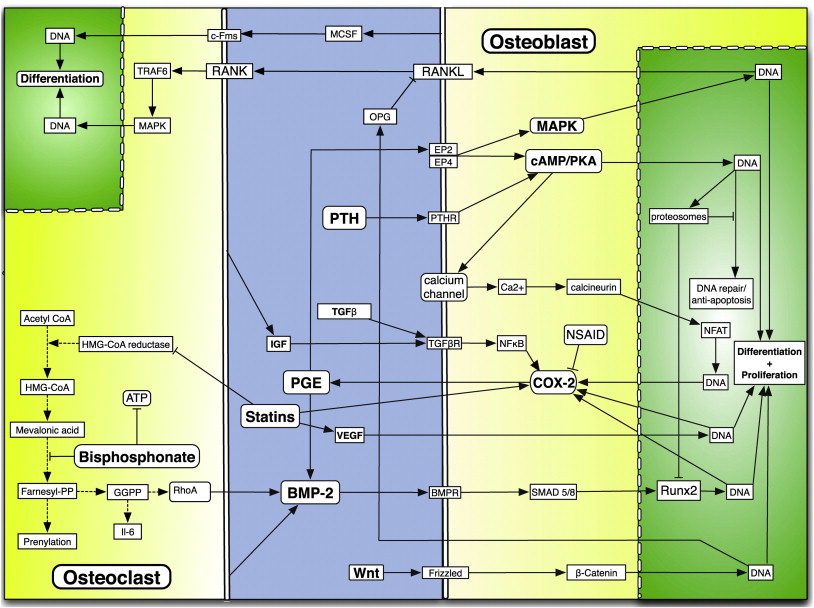
Annual treatment costs for musculoskeletal diseases in the US are roughly 7.7% (~ $849 billion) of total gross domestic product. Such disorders are the main cause of physical disability in US. Almost half of all chronic conditions in people can be attributed to bone and joint disorders. In addition there is increasing ageing population and associated increases in osteoporosis and other diseases, rising incidences of degenerative intervertebral disk diseases and numbers of revision orthopedic arthroplasty surgeries, and increases in spinal fusions. All these factors contribute towards the increasing requirement of bone regeneration and reconstruction methods and products. Delivery of therapeutic grade products to bone has various challenges. Parenteral administration limits the efficient delivery of drugs to the required site of injury and local delivery methods are often expensive and invasive. The theme issue of Advance Drug Delivery reviews focuses on the current status of drug delivery to bone and the issues facing this field. Here is the second part of these reviews and research articles.

1. Targeting polymer therapeutics to bone [1]

Abstract

An aging population in the developing world has led to an increase in musculoskeletal diseases such as osteoporosis and bone metastases. Left untreated many bone diseases cause debilitating pain and in the case of cancer, death. Many potential drugs are effective in treating diseases but result in side effects preventing their efficacy in the clinic. Bone, however, provides a unique environment of inorganic solids, which can be exploited in order to effectively target drugs to diseased tissue. By integration of bone targeting moieties to drug-carrying water-soluble polymers, the payload to diseased area can be increased while side effects decreased. The realization of clinically relevant bone targeted polymer therapeutics depends on (1) understanding bone targeting moiety interactions, (2) development of controlled drug delivery systems, as well as (3) understanding drug interactions. The latter makes it possible to develop bone targeted synergistic drug delivery systems.


2. Development of macromolecular prodrug for rheumatoid arthritis [2]

Abstract

Rheumatoid arthritis (RA) is a chronic autoimmune disease that is considered to be one of the major public health problems worldwide. The development of therapies that target tumor necrosis factor-α (TNF-α), interleukin-6 (IL-6) and co-stimulatory pathways that regulate the immune system have revolutionized the care of patients with RA. Despite these advances, many patients continue to experience symptomatic and functional impairment. To address this issue, more recent therapies that have been developed are designed to target intracellular signaling pathways involved in immunoregulation. Though this approach has been encouraging, there have been major challenges with respect to off-target organ side effects and systemic toxicities related to the widespread distribution of these signaling pathways in multiple cell types and tissues. These limitations have led to an increasing interest in the development of strategies for the macromolecularization of anti-rheumatic drugs, which could target them to the inflamed joints. This approach enhances the efficacy of the therapeutic agent with respect to synovial inflammation, while markedly reducing non-target organ adverse side effects. In this manuscript, we provide a comprehensive overview of the rational design and optimization of macromolecular prodrugs for treatment of RA. The superior and the sustained efficacy of the prodrug may be partially attributed to their Extravasation through Leaky Vasculature and subsequent Inflammatory cell-mediated Sequestration (ELVIS) in the arthritic joints. This biologic process provides a plausible mechanism, by which macromolecular prodrugs preferentially target arthritic joints and illustrates the potential benefits of applying this therapeutic strategy to the treatment of other inflammatory diseases.

3. Peptide-based delivery to bone [3]

Abstract

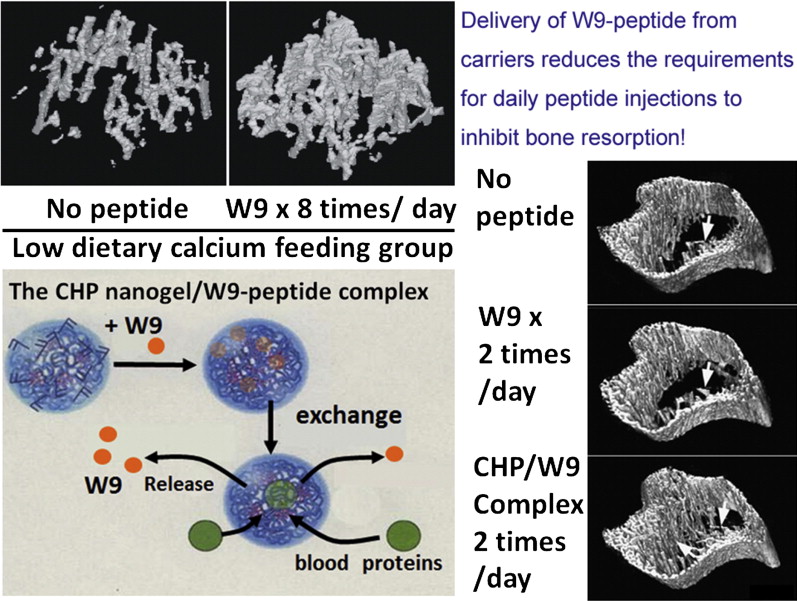
Peptides are attractive as novel therapeutic reagents, since they are flexible in adopting and mimicking the local structural features of proteins. Versatile capabilities to perform organic synthetic manipulations are another unique feature of peptides compared to protein-based medicines, such as antibodies. On the other hand, a disadvantage of using a peptide for a therapeutic purpose is its low stability and/or high level of aggregation. During the past two decades, numerous peptides were developed for the treatment of bone diseases, and some peptides have already been used for local applications to repair bone defects in the clinic. However, very few peptides have the ability to form bone themselves. We herein summarize the effects of the therapeutic peptides on bone loss and/or local bone defects, including the results from basic studies. We also herein describe some possible methods for overcoming the obstacles associated with using therapeutic peptide candidates.


4. Growth factor delivery: How surface interactions modulate release in vitro and in vivo [4]

Abstract

Biomaterial scaffolds have been extensively used to deliver growth factors to induce new bone formation. The pharmacokinetics of growth factor delivery has been a critical regulator of their clinical success. This review will focus on the surface interactions that control the non-covalent incorporation of growth factors into scaffolds and the mechanisms that control growth factor release from clinically relevant biomaterials. We will focus on the delivery of recombinant human bone morphogenetic protein-2 from materials currently used in the clinical practice, but also suggest how general mechanisms that control growth factor incorporation and release delineated with this growth factor could extend to other systems. A better understanding of the changing mechanisms that control growth factor release during the different stages of preclinical development could instruct the development of future scaffolds for currently untreatable injuries and diseases.


5. Biomaterial delivery of morphogens to mimic the natural healing cascade in bone[5]

Abstract

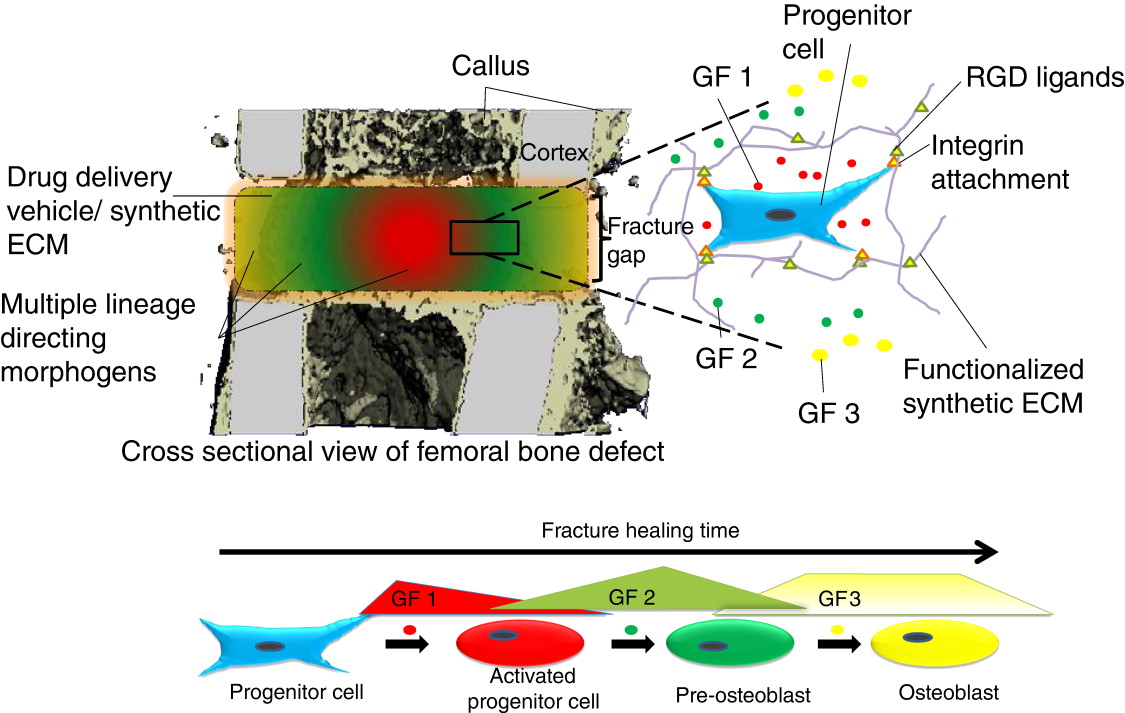
Complications in treatment of large bone defects using bone grafting still remain. Our understanding of the endogenous bone regeneration cascade has inspired the exploration of a wide variety of growth factors (GFs) in an effort to mimic the natural signaling that controls bone healing. Biomaterial-based delivery of single exogenous GFs has shown therapeutic efficacy, and this likely relates to its ability to recruit and promote replication of cells involved in tissue development and the healing process. However, as the natural bone healing cascade involves the action of multiple factors, each acting in a specific spatiotemporal pattern, strategies aiming to mimic the critical aspects of this process will likely benefit from the usage of multiple therapeutic agents. This article reviews the current status of approaches to deliver single GFs, as well as ongoing efforts to develop sophisticated delivery platforms to deliver multiple lineage-directing morphogens (multiple GFs) during bone healing.

6. Studies of bone morphogenetic protein-based surgical repair[6]

Abstract

Over the past several decades, recombinant human bone morphogenetic proteins (rhBMPs) have been the most extensively studied and widely used osteoinductive agents for clinical bone repair. Since rhBMP-2 and rhBMP-7 were cleared by the U.S. Food and Drug Administration for certain clinical uses, millions of patients worldwide have been treated with rhBMPs for various musculoskeletal disorders. Current clinical applications include treatment of long bone fracture non-unions, spinal surgeries, and oral maxillofacial surgeries. Considering the growing number of recent publications related to clincal research of rhBMPs, there exists enormous promise for these proteins to be used in bone regenerative medicine. The authors take this opportunity to review the rhBMP literature paying specific attention to the current applications of rhBMPs in bone repair and spine surgery. The prospective future of rhBMPs delivered in combination with tissue engineered scaffolds is also reviewed.


7. Strategies for controlled delivery of growth factors and cells for bone regeneration[7]

Abstract

The controlled delivery of growth factors and cells within biomaterial carriers can enhance and accelerate functional bone formation. The carrier system can be designed with pre-programmed release kinetics to deliver bioactive molecules in a localized, spatiotemporal manner most similar to the natural wound healing process. The carrier can also act as an extracellular matrix-mimicking substrate for promoting osteoprogenitor cellular infiltration and proliferation for integrative tissue repair. This review discusses the role of various regenerative factors involved in bone healing and their appropriate combinations with different delivery systems for augmenting bone regeneration. The general requirements of protein, cell and gene therapy are described, with elaboration on how the selection of materials, configurations and processing affects growth factor and cell delivery and regenerative efficacy in both in vitro and in vivo applications for bone tissue engineering.

8. Bone repair cells for craniofacial regeneration[8]

Abstract

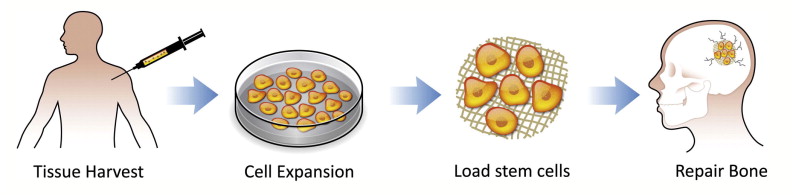
Reconstruction of complex craniofacial deformities is a clinical challenge in situations of injury, congenital defects or disease. The use of cell-based therapies represents one of the most advanced methods for enhancing the regenerative response for craniofacial wound healing. Both somatic and stem cells have been adopted in the treatment of complex osseous defects and advances have been made in finding the most adequate scaffold for the delivery of cell therapies in human regenerative medicine. As an example of such approaches for clinical application for craniofacial regeneration, Ixmyelocel-T or bone repair cells are a source of bone marrow derived stem and progenitor cells. They are produced through the use of single pass perfusion bioreactors for CD90+ mesenchymal stem cells and CD14+ monocyte/macrophage progenitor cells. The application of ixmyelocel-T has shown potential in the regeneration of muscular, vascular, nervous and osseous tissue. The purpose of this manuscript is to highlight cell therapies used to repair bony and soft tissue defects in the oral and craniofacial complex. The field at this point remains at an early stage, however this review will provide insights into the progress being made using cell therapies for eventual development into clinical practice.


9. Gene therapy approaches to regenerating bone[9]

Abstract

Bone formation and regeneration therapies continue to require optimization and improvement because many skeletal disorders remain undertreated. Clinical solutions to nonunion fractures and osteoporotic vertebral compression fractures, for example, remain suboptimal and better therapeutic approaches must be created. The widespread use of recombinant human bone morphogenetic proteins (rhBMPs) for spine fusion was recently questioned by a series of reports in a special issue of The Spine Journal, which elucidated the side effects and complications of direct rhBMP treatments. Gene therapy – both direct (in vivo) and cell-mediated (ex vivo) – has long been studied extensively to provide much needed improvements in bone regeneration. In this article, we review recent advances in gene therapy research whose aims are in vivo or ex vivo bone regeneration or formation. We examine appropriate vectors, safety issues, and rates of bone formation. The use of animal models and their relevance for translation of research results to the clinical setting are also discussed in order to provide the reader with a critical view. Finally, we elucidate the main challenges and hurdles faced by gene therapy aimed at bone regeneration as well as expected future trends in this field.

10. Gene delivery to bone[10]

Abstract

Gene delivery to bone is useful both as an experimental tool and as a potential therapeutic strategy. Among its advantages over protein delivery are the potential for directed, sustained and regulated expression of authentically processed, nascent proteins. Although no clinical trials have been initiated, there is a substantial pre-clinical literature documenting the successful transfer of genes to bone, and their intraosseous expression. Recombinant vectors derived from adenovirus, retrovirus and lentivirus, as well as non-viral vectors, have been used for this purpose. Both ex vivo and in vivo strategies, including gene-activated matrices, have been explored. Ex vivo delivery has often employed mesenchymal stem cells (MSCs), partly because of their ability to differentiate into osteoblasts. MSCs also have the potential to home to bone after systemic administration, which could serve as a useful way to deliver transgenes in a disseminated fashion for the treatment of diseases affecting the whole skeleton, such as osteoporosis orosteogenesis imperfecta. Local delivery of osteogenic transgenes, particularly those encoding bone morphogenetic proteins, has shown great promise in a number of applications where it is necessary to regenerate bone. These include healing large segmental defects in long bones and the cranium, as well as spinal fusion and treating avascular necrosis.

11. RNA therapeutics targeting osteoclast-mediated excessive bone resorption[11]

Abstract

RNA interference (RNAi) is a sequence-specific post-transcriptional gene silencing technique developed with dramatically increasing utility for both scientific and therapeutic purposes. Short interfering RNA (siRNA) is currently exploited to regulate protein expression relevant to many therapeutic applications, and commonly used as a tool for elucidating disease-associated genes. Osteoporosis and their associated osteoporotic fragility fractures in both men and women are rapidly becoming a global healthcare crisis as average life expectancy increases worldwide. New therapeutics are needed for this increasing patient population. This review describes the diversity of molecular targets suitable for RNAi-based gene knock down in osteoclasts to control osteoclast-mediated excessive bone resorption. We identify strategies for developing targeted siRNA delivery and efficient gene silencing, and describe opportunities and challenges of introducing siRNA as a therapeutic approach to hard and connective tissue disorders.

Bibliography

[1] S. A. Low and J. Kopeček, “Targeting polymer therapeutics to bone,” Advanced Drug Delivery Reviews, vol. 64, no. 12, pp. 1189–1204, Sep. 2012.

[2] F. Yuan, L. Quan, L. Cui, S. R. Goldring, and D. Wang, “Development of macromolecular prodrug for rheumatoid arthritis,” Advanced Drug Delivery Reviews, vol. 64, no. 12, pp. 1205–1219, Sep. 2012.

[3] K. Aoki, N. Alles, N. Soysa, and K. Ohya, “Peptide-based delivery to bone,” Advanced Drug Delivery Reviews, vol. 64, no. 12, pp. 1220–1238, Sep. 2012.

[4] W. J. King and P. H. Krebsbach, “Growth factor delivery: How surface interactions modulate release in vitro and in vivo,” Advanced Drug Delivery Reviews, vol. 64, no. 12, pp. 1239–1256, Sep. 2012.

[5] M. Mehta, K. Schmidt-Bleek, G. N. Duda, and D. J. Mooney, “Biomaterial delivery of morphogens to mimic the natural healing cascade in bone,” Advanced Drug Delivery Reviews, vol. 64, no. 12, pp. 1257–1276, Sep. 2012.

[6] K. W.-H. Lo, B. D. Ulery, K. M. Ashe, and C. T. Laurencin, “Studies of bone morphogenetic protein-based surgical repair,” Advanced Drug Delivery Reviews, vol. 64, no. 12, pp. 1277–1291, Sep. 2012.

[7] T. N. Vo, F. K. Kasper, and A. G. Mikos, “Strategies for controlled delivery of growth factors and cells for bone regeneration,” Advanced Drug Delivery Reviews, vol. 64, no. 12, pp. 1292–1309, Sep. 2012.

[8] G. Pagni, D. Kaigler, G. Rasperini, G. Avila-Ortiz, R. Bartel, and W. V. Giannobile, “Bone repair cells for craniofacial regeneration,” Advanced Drug Delivery Reviews, vol. 64, no. 12, pp. 1310–1319, Sep. 2012.

[9] N. Kimelman Bleich, I. Kallai, J. R. Lieberman, E. M. Schwarz, G. Pelled, and D. Gazit, “Gene therapy approaches to regenerating bone,” Advanced Drug Delivery Reviews, vol. 64, no. 12, pp. 1320–1330, Sep. 2012.

[10] C. H. Evans, “Gene delivery to bone,” Advanced Drug Delivery Reviews, vol. 64, no. 12, pp. 1331–1340, Sep. 2012.

[11] Y. Wang and D. W. Grainger, “RNA therapeutics targeting osteoclast-mediated excessive bone resorption,” Advanced Drug Delivery Reviews, vol. 64, no. 12, pp. 1341–1357, Sep. 2012.


Sunday, September 23, 2012

Targeted delivery of therapeutics to bone and connective tissues: current status and challenges- Part I

Reporter Aviral Vatsa, PhD MBBS

Annual treatment costs for musculoskeletal diseases in the US are roughly 7.7% (~ $849 billion) of total gross domestic product. Such disorders are the main cause of physical disability in US. Almost half of all chronic conditions in people can be attributed to bone and joint disorders. In addition there is increasing ageing population and associated increases in osteoporosis and other diseases, rising incidences of degenerative intervertebral disk diseases and numbers of revision orthopedic arthroplasty surgeries, and increases in spinal fusions. All these factors contribute towards the increasing requirement of bone regeneration and reconstruction methods and products. Delivery of therapeutic grade products to bone has various challenges. Parenteral administration limits the efficient delivery of drugs to the required site of injury and local delivery methods are often expensive and invasive. The theme issue of Advance Drug Delivery reviews focuses on the current status of drug delivery to bone and the issues facing this field. Here is the first part of these reviews and research articles.

1. Demineralized bone matrix in bone repair: History and use

Abstract

Demineralized bone matrix (DBM) is an osteoconductive and osteoinductive commercial biomaterial and approved medical device used in bone defects with a long track record of clinical use in diverse forms. True to its name and as an acid-extracted organic matrix from human bone sources, DBM retains much of the proteinaceous components native to bone, with small amounts of calcium-based solids, inorganic phosphates and some trace cell debris. Many of DBM's proteinaceous components (e.g., growth factors) are known to be potent osteogenic agents. Commercially sourced as putty, paste, sheets and flexible pieces, DBM provides a degradable matrix facilitating endogenous release of these compounds to the bone wound sites where it is surgically placed to fill bone defects, inducing new bone formation and accelerating healing. Given DBM's long clinical track record and commercial accessibility in standard forms and sources, opportunities to further develop and validate DBM as a versatile bone biomaterial in orthopedic repair and regenerative medicine contexts are attractive.

2. Biomimetic hydrogels for controlled biomolecule delivery to augment bone regeneration

Abstract

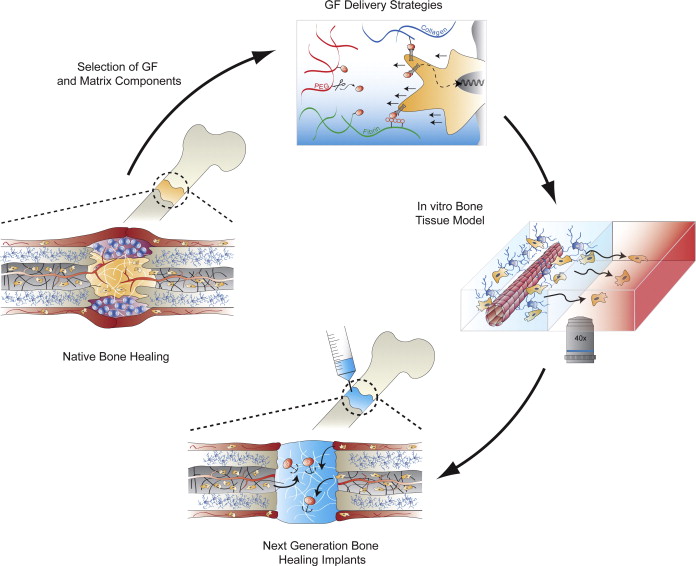
The regeneration of large bone defects caused by trauma or disease remains a significant clinical problem. Although osteoinductive growth factors such as bone morphogenetic proteins have entered clinics, transplantation of autologous bone remains the gold standard to treat bone defects. The effective treatment of bone defects by protein therapeutics in humans requires quantities that exceed the physiological doses by several orders of magnitude. This not only results in very high treatment costs but also bears considerable risks for adverse side effects. These issues have motivated the development of biomaterials technologies allowing to better control biomolecule delivery from the solid phase. Here we review recent approaches to immobilize biomolecules by affinity binding or by covalent grafting to biomaterial matrices. We focus on biomaterials concepts that are inspired by extracellular matrix (ECM) biology and in particular the dynamic interaction of growth factors with the ECM. We highlight the value of synthetic, ECM-mimicking matrices for future technologies to study bone biology and develop the next generation of ‘smart’ implants.


3. Calcium phosphate cements as drug delivery materials

Abstract

Calcium phosphate cements are used as synthetic bone grafts, with several advantages, such as their osteoconductivity and injectability. Moreover, their low-temperature setting reaction and intrinsic porosity allow for the incorporation of drugs and active principles in the material. It is the aim of the present work to: a) provide an overview of the different approaches taken in the application of calcium phosphate cements for drug delivery in the skeletal system, and b) identify the most significant achievements. The drugs or active principles associated to calcium phosphate cements are classified in three groups, i) low molecular weight drugs; ii) high molecular weight biomolecules; and iii) ions.


4. Silk constructs for delivery of musculoskeletal therapeutics

Abstract

Silk fibroin (SF) is a biopolymer with distinguishing features from many other bio- as well as synthetic polymers. From a biomechanical and drug delivery perspective, SF combines remarkable versatility for scaffolding (solid implants, hydrogels, threads, solutions), with advanced mechanical properties and good stabilization and controlled delivery of entrapped protein and small molecule drugs, respectively. It is this combination of mechanical and pharmaceutical features which renders SF so exciting for biomedical applications. This pattern along with the versatility of this biopolymer has been translated into progress for musculoskeletal applications. We review the use and potential of silk fibroin for systemic and localized delivery of therapeutics in diseases affecting the musculoskeletal system. We also present future directions for this biopolymer as well as the necessary research and development steps for their achievement.

5. Demineralized bone matrix as a vehicle for delivering endogenous and exogenous therapeutics in bone repair

Abstract

As a unique human bone extract approved for implant use, demineralized bone matrix (DBM) retains substantial amounts of endogenous osteoconductive and osteoinductive proteins. Commercial preparations of DBM represent a clinically accessible, familiar, widely used and degradable bone-filling device, available in composite solid, strip/piece, and semi-solid paste forms. Surgically placed and/or injected, DBM releases its constituent compounds to bone sites with some evidence for inducing new bone formation and accelerating healing. Significantly, DBM also has preclinical history as a drug carrier by direct loading and delivery of several important classes of therapeutics. Exogenous bioactive agents, including small molecule drugs, protein and peptide drugs, nucleic acid drugs and transgenes and therapeutic cells have been formulated within DBM and released to bone sites to enhance DBM's intrinsic biological activity. Local release of these agents from DBM directly to surgical sites in bone provides improved control of dosing and targeting of both endogenous and exogenous bioactivity in the context of bone healing using a clinically familiar product. Given DBM's long clinical track record and commercial accessibility in standard forms and sources, opportunities to formulate DBM as a versatile matrix to deliver therapeutic agents locally to bone sites in orthopedic repair and regenerative medicine contexts are attractive.


6. Nanofiber-based delivery of bioactive agents and stem cells to bone sites

Abstract

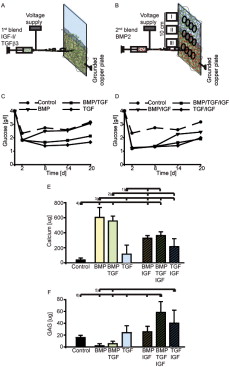
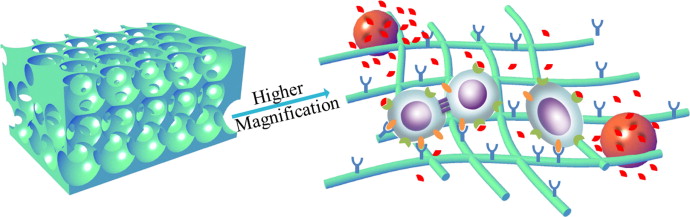
Biodegradable nanofibers are important scaffolding materials for bone regeneration. In this paper, the basic concepts and recent advances of self-assembly, electrospinning and thermally induced phase separation techniques that are widely used to generate nanofibrous scaffolds are reviewed. In addition, surface functionalization and bioactive factor delivery within these nanofibrous scaffolds to enhance bone regeneration are also discussed. Moreover, recent progresses in applying these nanofiber-based scaffolds to deliver stem cells for bone regeneration are presented. Along with the significant advances, challenges and obstacles in the field as well as the future perspective are discussed.


7. Intra-operatively customized implant coating strategies for local and controlled drug delivery to bone

Abstract

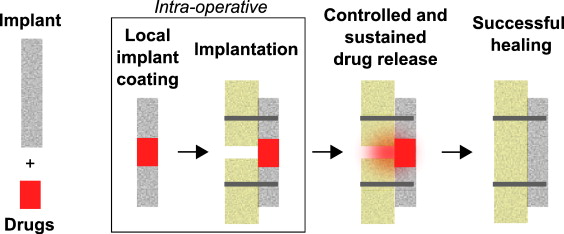
Bone is one of the few tissues in the human body with high endogenous healing capacity. However, failure of the healing process presents a significant clinical challenge; it is a tremendous burden for the individual and has related health and economic consequences. To overcome such healing deficits, various concepts for a local drug delivery to bone have been developed during the last decades. However, in many cases these concepts do not meet the specific requirements of either surgeons who must use these strategies or individual patients who might benefit from them. We describe currently available methods for local drug delivery and their limitations in therapy. Various solutions for drug delivery to bone focusing on clinical applications and intra-operative constraints are discussed and drug delivery by implant coating is highlighted. Finally, a new set of design and performance requirements for intra-operatively customized implant coatings for controlled drug delivery is proposed. In the future, these requirements may improve approaches for local and intra-operative treatment of patients.


8. Local delivery of small and large biomolecules in craniomaxillofacial bone

Abstract

Current state of the art reconstruction of bony defects in the craniomaxillofacial (CMF) area involves transplantation of autogenous or allogenous bone grafts. However, the inherent drawbacks of this approach strongly urge clinicians and researchers to explore alternative treatment options. Currently, a wide interest exists in local delivery of biomolecules from synthetic biomaterials for CMF bone regeneration, in which small biomolecules are rapidly emerging in recent years as an interesting adjunct for upgrading the clinical treatment of CMF bone regeneration under compromised healing conditions. This review highlights recent advances in the local delivery small and large biomolecules for the clinical treatment of CMF bone defects. Further, it provides a perspective on the efficacy of biomolecule delivery in CMF bone regeneration by reviewing presently available reports of pre-clinical studies using various animal models.

9. Immobilized antibiotics to prevent orthopaedic implant infections

Abstract

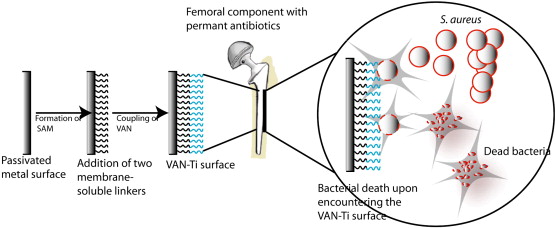
Many surgical procedures require the placement of an inert or tissue-derived implant deep within the body cavity. While the majority of these implants do not become colonized by bacteria, a small percentage develops a biofilm layer that harbors invasive microorganisms. In orthopaedic surgery, unresolved periprosthetic infections can lead to implant loosening, arthrodeses, amputations and sometimes death. The focus of this review is to describe development of an implant in which an antibiotic tethered to the metal surface is used to prevent bacterial colonization and biofilm formation. Building on well-established chemical syntheses, studies show that antibiotics can be linked to titanium through a self-assembled monolayer of siloxy amines. The stable metal–antibiotic construct resists bacterial colonization and biofilm formation while remaining amenable to osteoblastic cell adhesion and maturation. In an animal model, the antibiotic modified implant resists challenges by bacteria that are commonly present in periprosthetic infections. While the long-term efficacy and stability is still to be established, ongoing studies support the view that this novel type of bioactive surface has a real potential to mitigate or prevent the devastating consequences of orthopaedic infection.

10. Local delivery of nitric oxide: Targeted delivery of therapeutics to bone and connective tissues

Abstract

Non-invasive treatment of injuries and disorders affecting bone and connective tissue remains a significant challenge facing the medical community. A treatment route that has recently been proposed is nitric oxide (NO) therapy. Nitric oxide plays several important roles in physiology with many conditions lacking adequate levels of NO. As NO is a radical, localized delivery via NO donors is essential to promoting biological activity. Herein, we review current literature related to therapeutic NO delivery in the treatment of bone, skin and tendon repair.


Bibliography

  1. Demineralized bone matrix in bone repair: History and use

  2. Biomimetic hydrogels for controlled biomolecule delivery to augment bone regeneration

  3. Calcium phosphate cements as drug delivery materials

  4. Silk constructs for delivery of musculoskeletal therapeutics

  5. Demineralized bone matrix as a vehicle for delivering endogenous and exogenous therapeutics in bone repair

  6. Nanofiber-based delivery of bioactive agents and stem cells to bone sites

  7. Intra-operatively customized implant coating strategies for local and controlled drug delivery to bone

  8. Immobilized antibiotics to prevent orthopaedic implant infections

  9. Local delivery of nitric oxide: Targeted delivery of therapeutics to bone and connective tissues

Related Posts Plugin for WordPress, Blogger...